Trying to choose between an oceanfront condo and a bayfront condo in Miami Beach? It sounds simple until you realize both options can offer water views, luxury amenities, and very different day-to-day experiences. If you want to buy with confidence, you need to look past the label and focus on how each side of the island fits your lifestyle, budget, and carrying costs. Let’s dive in.
Miami Beach Location Basics
Miami Beach sits on a barrier island between Biscayne Bay and the Atlantic Ocean. According to the City of Miami Beach, that low-elevation coastal geography also means the city is exposed to flooding from heavy rain, high tides, and storm surge.
That setting shapes the condo choice in a very practical way. Oceanfront condos are on the Atlantic side of the island, while bayfront condos face Biscayne Bay and the Intracoastal side. From there, the differences show up in views, amenities, access, and ongoing costs.
Oceanfront Condo Appeal
If your ideal Miami Beach day starts with stepping outside and heading straight to the sand, oceanfront living usually checks that box. Many buyers choose this side for direct beach access, open Atlantic views, and a more resort-style feel.
Oceanfront buildings also benefit from proximity to Miami Beach’s Beachwalk, which the city describes as a nine-mile oceanfront pedestrian promenade open 24/7. For buyers who plan to walk, jog, or spend regular time along the shoreline, that can be a major lifestyle advantage.
Current listings reflect that beach-first positioning. For example, 2655 Collins Ave Apt 602 is marketed as being right on the beach and boardwalk with ocean views, while 6899 Collins Ave Unit 1409 highlights direct beach access, oceanfront pools, a spa, and concierge service.
Why buyers choose oceanfront
- Direct beach access
- Open Atlantic views
- Resort-style amenities in many buildings
- Easy access to the Beachwalk
- Strong appeal for second-home buyers seeking a classic Miami Beach experience
Bayfront Condo Appeal
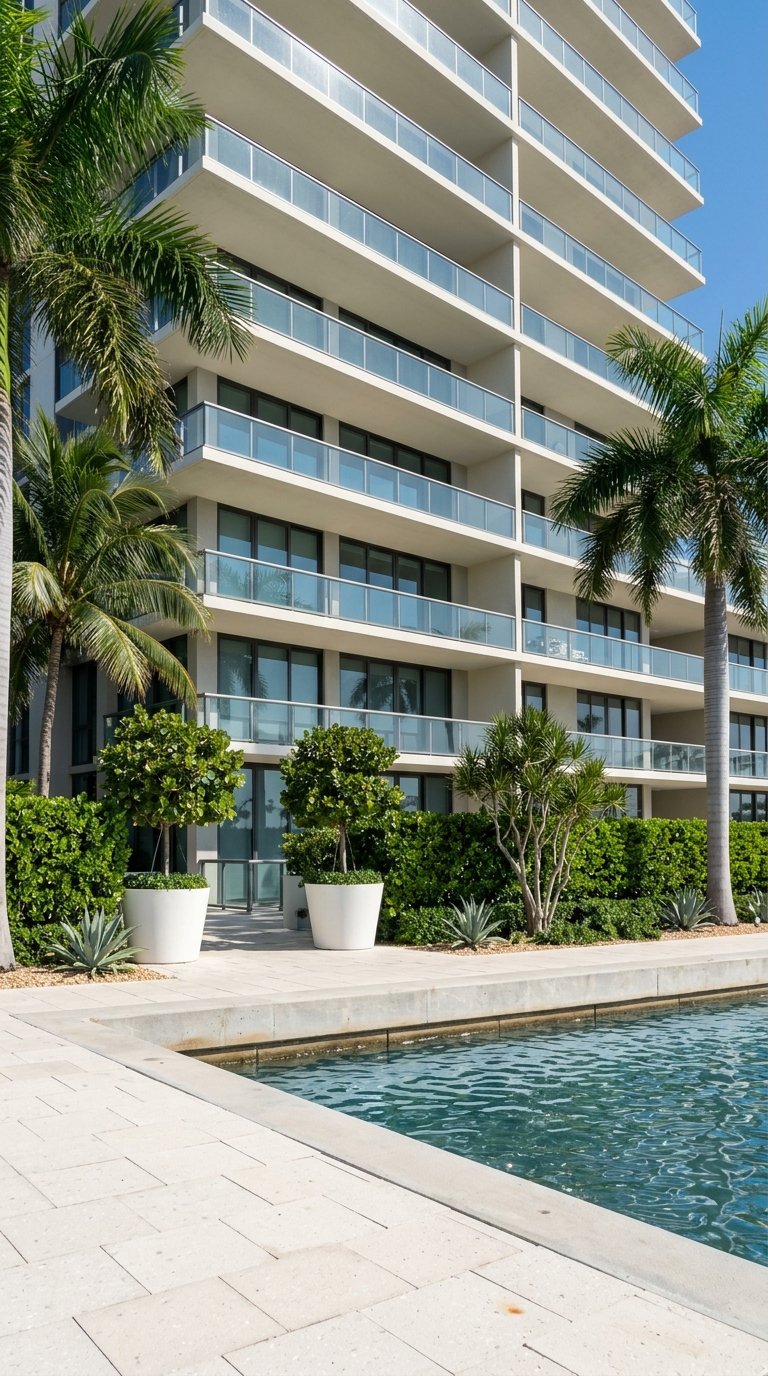
Bayfront condos attract buyers who want a different kind of waterfront lifestyle. Instead of a beach-first setup, these properties often emphasize Biscayne Bay or Intracoastal views, sunset exposure, and boating-oriented amenities such as marinas, docks, or nearby water access.
That can create a very compelling alternative if you care more about boats, marina access, or watching the light change over the bay in the evening. In active listings, bayfront properties are often marketed around those features rather than direct beach service.
A current example is 900 Bay Dr Apt 706, which highlights panoramic Intracoastal and bay views, a marina, and building services. For many buyers, that package feels more aligned with a boating lifestyle or a quieter waterfront setting.
Why buyers choose bayfront
- Biscayne Bay or Intracoastal views
- Strong sunset potential
- Marina, dock, or boating access in some buildings
- A more sheltered waterfront feel
- Good fit for buyers who prioritize water access over direct beach access
Views Matter More Than Side Alone
One of the biggest mistakes buyers make is assuming oceanfront always means the best views and bayfront always means sunsets. In reality, the exact unit line, floor, and compass direction can matter just as much as which side of the island the building sits on.
For example, the active 6899 Collins Ave Unit 1409 listing is marketed as a sunset-facing oceanfront apartment. On the bay side, some units are promoted for bay and city views rather than just water exposure.
The takeaway is simple: shop the unit, not just the address orientation. A great line in the right building can outperform your assumptions about east versus west.
Lifestyle Tradeoffs to Consider
Choosing between oceanfront and bayfront usually comes down to how you want to live in the space every day. Both can be luxury purchases, but the experience is not always the same.
Beach access versus boating access
This is often the clearest dividing line. Oceanfront listings tend to focus on direct beach access, beach service, and oceanfront amenities, while bayfront listings more often emphasize marinas and boat-friendly features.
If you picture morning walks on the sand, oceanfront may be the better match. If you picture being closer to marina access and bay activity, bayfront may fit better.
Sun and wind exposure
Because Miami Beach is a barrier island, oceanfront homes are generally more exposed to Atlantic breezes and salt air, while bayfront homes are somewhat more sheltered. That is a practical rule of thumb based on the city’s geography, not a guarantee for every building or stack.
This matters because exposure can influence how your balcony feels, how often exterior surfaces need attention, and how the unit performs day to day. When you tour condos, pay attention to what the exposure actually feels like from inside the home.
Noise and activity
Oceanfront living can come with more pedestrian activity due to the Beachwalk and nearby beach traffic. That does not mean every oceanfront condo is noisy, though, because the building envelope and features like impact windows can make a meaningful difference.
The listing for 2655 Collins Ave Apt 602 specifically notes impact windows and says outside noise is not audible. That is a good reminder to evaluate the building itself, not just the map location.
HOA Costs Are Building Specific
Many buyers assume oceanfront automatically means much higher HOA dues. The current Miami Beach listing sample suggests the story is more nuanced.
Oceanfront HOA dues in the sample range from $1,200 per month at 2655 Collins Ave Apt 602 to $4,035 per month at 6899 Collins Ave Unit 1008. Bayfront examples range from $1,203 per month at 900 Bay Dr Apt 706 to $3,495 per month in another bayfront example from the research sample.
That overlap matters. It tells you that building age, amenities, services, unit line, and overall positioning can influence monthly costs as much as oceanfront or bayfront location.
Compare what the HOA actually includes
The amount alone never tells the full story. One building may include utilities such as electricity, water, and cable, while another may emphasize beach service, pools, spa access, valet, concierge, or security.
For example, 900 Bay Dr Apt 706 notes that maintenance includes electricity, water, and cable TV. By contrast, 6899 Collins Ave Unit 1008 emphasizes spa access, oceanfront pools, private beach service, valet, concierge, and security.
When you compare properties, treat HOA dues as a building-specific package. That gives you a more accurate picture of value.
Insurance and Risk Review Matter on Both Sides
Whether you buy oceanfront or bayfront, Miami Beach’s coastal location should be part of your due diligence. The City of Miami Beach flood awareness guidance states that flood risk can come from heavy rainfall, high tides, and storm surge, and the city is also in a storm surge evacuation zone.
In addition, FEMA notes that mandatory flood insurance can apply in Special Flood Hazard Areas when a lender is involved, and FEMA coastal guidance identifies VE zones as coastal high-hazard areas where wave action and fast-moving water can cause extensive damage. This is one reason condo buyers should review flood and building-related exposure carefully before closing.
Florida also treats hurricane deductibles as a separate issue. According to the Florida Chief Financial Officer’s consumer guidance, homeowners policies generally include hurricane coverage, but the deductible is often a percentage of insured value rather than a flat dollar amount.
What this means for your budget
Your monthly HOA is only part of the equation. You also want to understand:
- Flood insurance requirements tied to the property or lender
- Windstorm and hurricane deductible exposure
- What the association insures versus what your unit policy may need to cover
- Whether the building’s risk profile affects your total carrying cost
For most buyers, this is not about choosing the “safe” side of the island. It is about reviewing the specific building and unit with clear eyes.
How to Decide Which Condo Fits You
If you are stuck between the two, start with the lifestyle you will actually use. That usually narrows the field quickly.
Choose oceanfront if you want:
- Direct beach access
- Easy daily use of the Beachwalk
- A surf-and-sand lifestyle
- Oceanfront amenities and resort-style services
- A classic Miami Beach waterfront experience
Choose bayfront if you want:
- Sunset-oriented views
- Marina, dock, or boating access
- A waterfront setting centered on the bay
- A somewhat more sheltered feel
- A property that aligns more with boating than beach use
The Smart Buyer Strategy
In Miami Beach, the best decision is rarely made by side of island alone. Current listings show meaningful overlap in price points, HOA dues, and luxury features across both oceanfront and bayfront buildings.
That is why smart buyers compare the exact unit line, floor, view corridor, HOA inclusions, building condition, and insurance exposure before making a move. The right condo is the one that matches how you plan to live, what you want to pay each month, and what kind of waterfront experience matters most to you.
If you want help comparing Miami Beach condos with a practical, building-by-building lens, connect with Terry Segall. You will get local guidance tailored to your goals, whether you are buying a primary residence, second home, or investment property.
FAQs
What is the main difference between oceanfront and bayfront condos in Miami Beach?
- Oceanfront condos are on the Atlantic side and usually appeal to buyers who want direct beach access, while bayfront condos face Biscayne Bay or the Intracoastal and often appeal to buyers who want sunset views and boating-oriented amenities.
Are oceanfront condos always more expensive than bayfront condos in Miami Beach?
- Not always. Current listing examples show overlap in both pricing and HOA dues, which means building age, amenities, floor, and unit line can matter as much as whether the condo is oceanfront or bayfront.
Do bayfront condos in Miami Beach usually have lower HOA fees?
- Not necessarily. The research sample shows bayfront and oceanfront properties with similar monthly HOA amounts, and higher-end buildings on either side can carry fees above $3,000 per month.
What lifestyle is better for a Miami Beach condo buyer: beach access or boating access?
- It depends on how you plan to use the property. If you want direct access to the sand and the Beachwalk, oceanfront may fit better. If you prioritize marina access, docks, and bay views, bayfront may be the stronger match.
Do oceanfront and bayfront condos in Miami Beach have different insurance considerations?
- Both require careful review because Miami Beach is a low-lying coastal island exposed to flooding, high tides, and storm surge. Buyers should also review flood insurance requirements, wind coverage, and hurricane deductibles building by building.