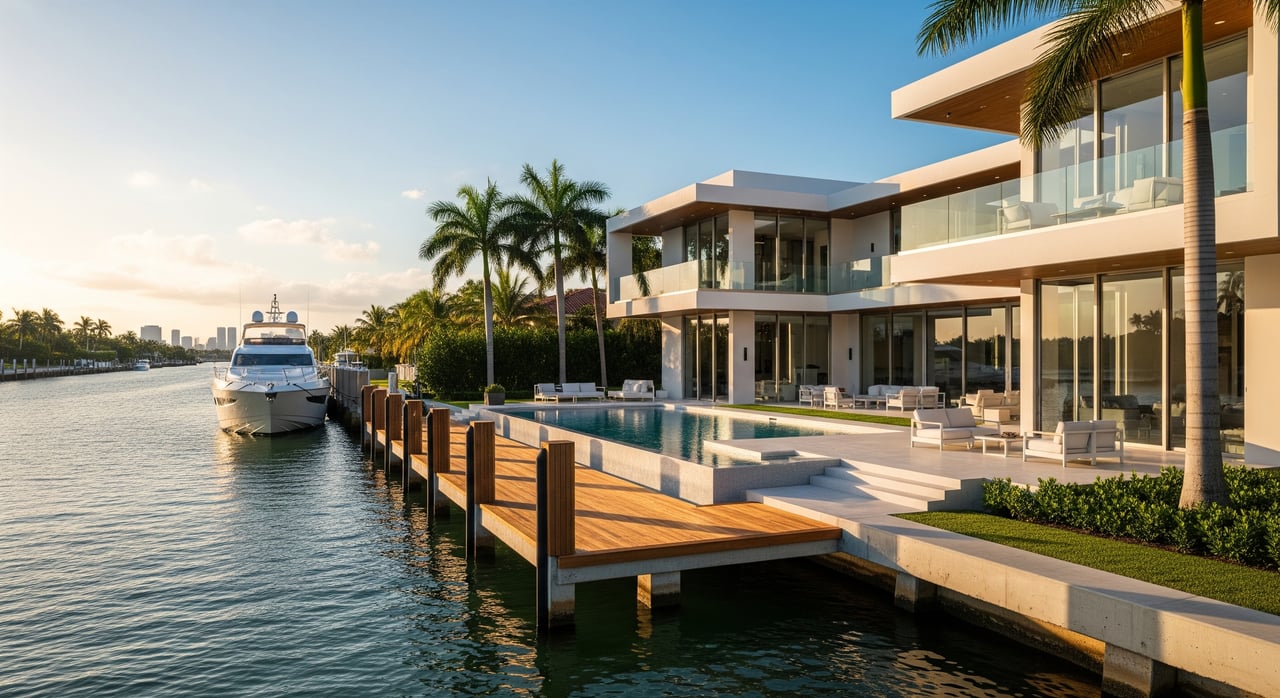
Imagine easing your boat off a private dock and gliding into Biscayne Bay within minutes. If that vision speaks to you, Sans Souci and the Keystone Islands in North Miami offer a rare mix of daily convenience and true waterfront living. You want clear guidance on the homes, boating access, risks, and practical steps before you buy. This guide walks you through what matters most so you can make a confident move. Let’s dive in.
Neighborhood snapshot
Sans Souci and the Keystone Islands sit along the northern reaches of Biscayne Bay inside the City of North Miami. The area combines man‑made islands, canals, and a handful of direct bayfront lots. Streets are quiet and residential in feel, with a steady hum of maritime life as boats navigate short canals to reach open water.
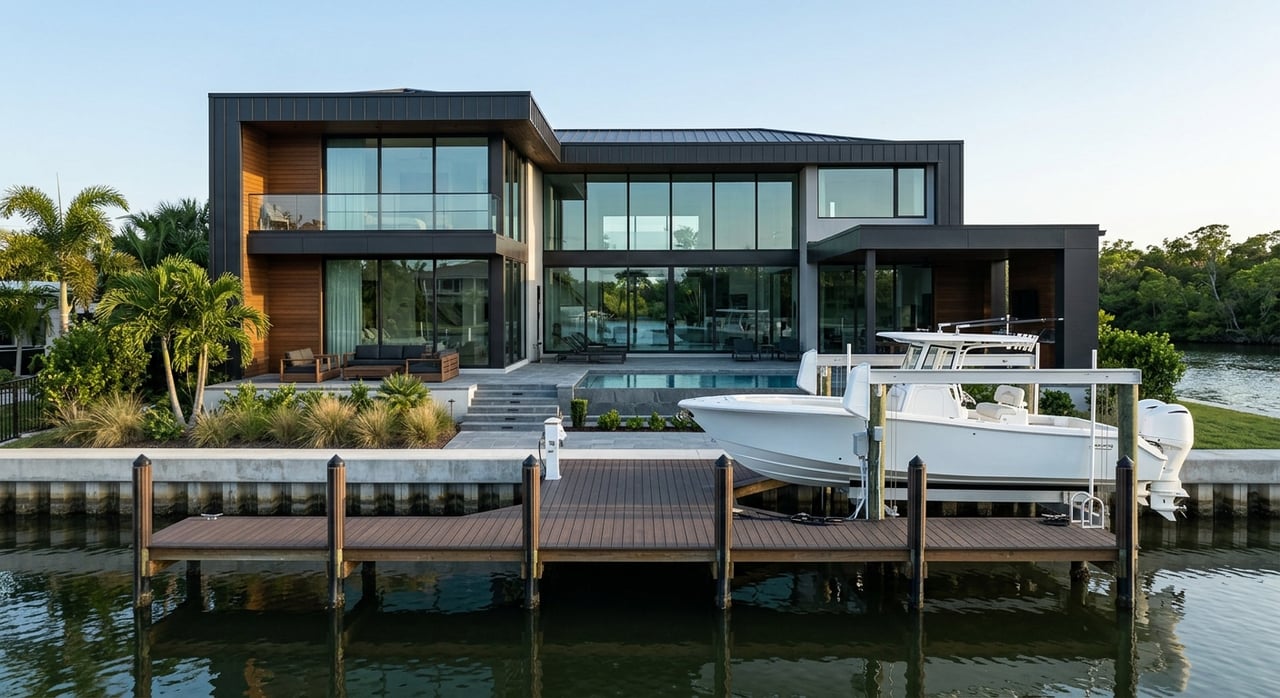
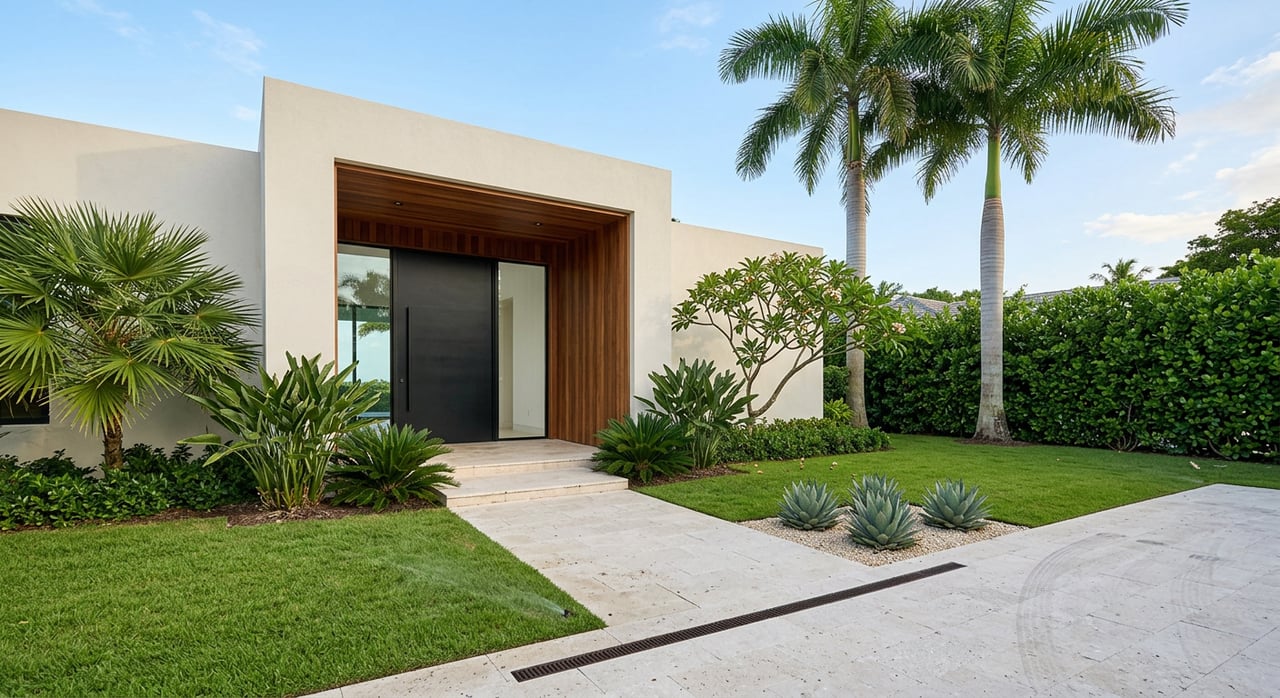
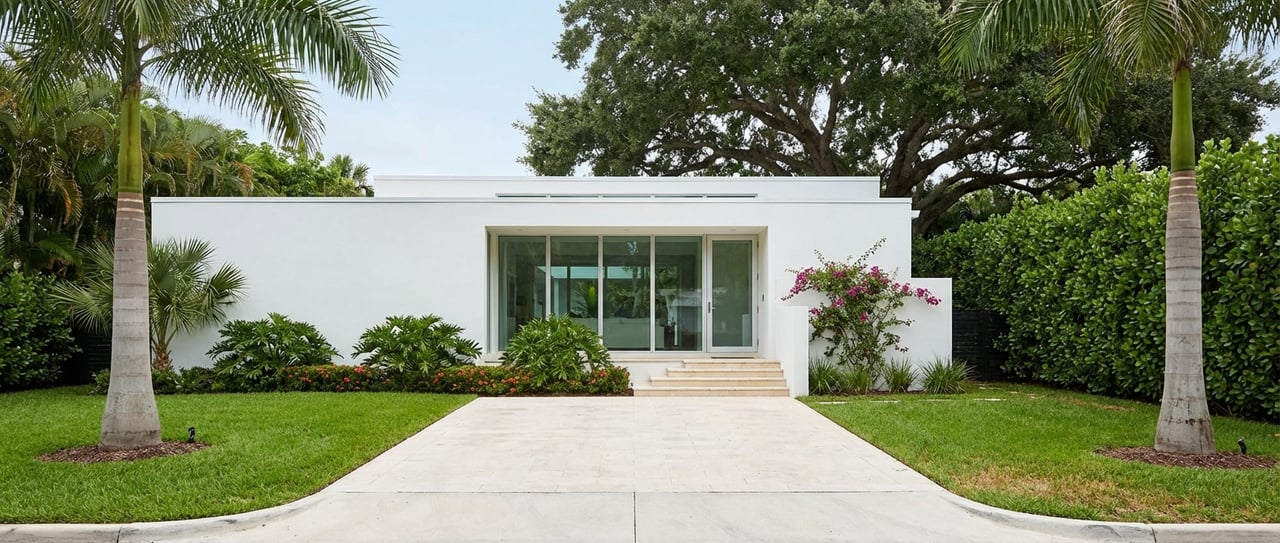
Homes range from mid‑century single‑story houses to newly rebuilt two‑story residences and modern bayfront estates. Most lots are narrow and deep, especially on the islands, and many properties have private seawalls and docks. Some homes are seasonal, though you will also find a strong year‑round community presence that varies by block.
What homes you’ll find
You will see three main types of properties in these neighborhoods:
- Canalfront single‑family homes with rear water access and private seawalls
- Direct bayfront estates with wider open‑water views and deeper dock options
- Mid‑century cottages and renovated or new‑construction rebuilds
A few small multifamily or condo buildings appear near main corridors, but the islands and most of Sans Souci remain primarily single‑family. Rebuilt and custom modern homes often command the highest prices, while smaller or older canalfront homes can be attractive value plays with renovation upside. Keep in mind that value here depends heavily on waterfront type, lot size and shape, dock capacity, and the age and condition of the home.
Market context to keep in mind
Waterfront markets move quickly and are seasonal in Miami. Instead of focusing on a single price point, evaluate:
- Median sold price and active inventory over the last 12 months
- Days on market for canalfront versus bayfront
- Price per waterfront foot for recent sales, and the premium for direct bayfront
- Notable recent rebuilds that reset top‑end values on your street or canal
Ask your advisor to pull fresh MLS and county data before you write an offer so you can compare like‑for‑like water exposure and lot specifics.
Boating and water access
From most docks, you reach Biscayne Bay via short canals. For ocean access, you will transit the bay and navigate causeways or bridges that connect to the Intracoastal and the Atlantic. Before you buy, confirm the details that affect real‑world boating:
- Bridge types and vertical clearances that can limit mast height or hardtop profiles
- Typical canal depths and any dredging history that may impact boat drafts
- Deeded dock rights, permitted dock dimensions, and any restrictions on boat size
NOAA nautical charts, City of North Miami and Miami‑Dade public works, and experienced local marina operators can help you verify conditions for your specific vessel. If you plan to keep a larger boat, confirm your path to open water at different tides, not just on paper.
Docks, seawalls, and permits
Private docks commonly require ongoing seawall maintenance. In North Miami, dock or seawall work often involves permits with multiple agencies. Depending on scope, you may interact with the City of North Miami building department, the Florida Department of Environmental Protection, and the U.S. Army Corps of Engineers. Timelines can stretch, especially during hurricane season, so plan permits and work windows early.
As a buyer, review recorded dock and seawall permits, recent repair receipts, and any shared‑use or neighbor agreements. A seawall and dock inspection should be part of your due diligence, along with a current survey and elevation certificate.
Getting around
Daily errands are straightforward since many conveniences sit along Biscayne Boulevard, also known as US‑1. You have quick access to major arterials, plus nearby beaches and cultural areas in Miami Beach, Bal Harbour, and Aventura. Public transit options are limited on the islands themselves, so most residents drive for work and leisure. Sample drive times with a maps app during your actual commute windows, since traffic varies by time of day and route.
Lifestyle and nearby amenities
Living on the water shapes your routine. Quiet streets, canal views, and easy access to bay activities define the day‑to‑day. You are close to beaches, parks, and recreational spaces in and around North Miami. Dining, grocery, and services cluster along Biscayne Boulevard and in nearby shopping areas. Medical care options include urgent care and hospital facilities in surrounding communities such as Aventura and North Miami.
School assignments depend on the exact property address and current district boundaries. If schools are a priority, check the latest Miami‑Dade County Public Schools boundary maps for your parcel.
Short‑term rental rules can change, and some waterfront areas require licenses or have neighborhood restrictions. Review City of North Miami ordinances and any HOA covenants before you plan to rent a property for short periods.
Risks and ongoing costs
These low‑lying neighborhoods often fall within FEMA flood zones. Your individual parcel’s flood zone and base flood elevation drive insurance needs and costs. Lenders may require an elevation certificate and specific mitigation measures for underwriting. Expect to budget for:
- Homeowners and wind insurance, plus flood insurance through NFIP or private carriers
- Seawall and dock inspections and periodic repairs
- Hurricane preparedness, from roof tie‑downs to window protection
- Permitting fees, property taxes, and routine marine maintenance
Miami‑Dade County and the City of North Miami continue to plan and invest in coastal resilience. Review local plans for road raising, pump stations, and seawall programs to understand near‑term projects and long‑term adaptation in your area.
Who this neighborhood fits
Sans Souci and Keystone Islands tend to attract:
- Boaters who want to keep a vessel at home and reach open water quickly
- Second‑home buyers who prioritize bay access with easy reach to beaches and dining
- Buyers who value a quieter residential setting with a strong maritime feel
- Renovators who see upside in mid‑century homes with solid footprints
If you prefer a high‑rise amenity lifestyle or want to walk to a dense commercial core, you may be better served by a coastal condo district. If waterfront living and at‑home docking are your top goals, these neighborhoods check the right boxes.
Smart buying checklist
Use this list to structure your due diligence:
- Waterfront type and exposure: Canalfront or direct bayfront, orientation and view corridor
- Dock rights and capacity: Deeded dock, permitted length and configuration, maximum boat size
- Canal and bridge realities: Typical depths, shoaling or dredging history, bridge clearances
- Seawall condition: Inspection report, age, recent repairs with permits
- Flood and insurance: FEMA flood zone, elevation certificate, estimated premiums from a coastal‑savvy agent
- Property specifics: Survey, riparian rights, setbacks, easements, and any shared dock agreements
- Neighborhood rules: City ordinances and any HOA covenants that affect rentals or dock work
- Financing and appraisal: Lender experienced with coastal properties, comps that match your waterfront type
- Timing: Inspection and permitting windows, especially around hurricane season
Work with a local advisor
Buying waterfront property is as much about the water as it is about the house. You want current market data, clear permitting guidance, and a plan for insurance and maintenance before you commit. If you are selling a current home to make this move, professional presentation and pre‑sale improvements can boost net proceeds and timeline.
Ready to explore the right canal or bayfront fit in North Miami? Connect with Terry Segall for local insight, on‑the‑ground property vetting, and a streamlined path from search to close.
FAQs
What types of waterfront lots are in Sans Souci and the Keystone Islands?
- You will find canalfront lots with private seawalls and docks, plus a smaller number of direct bayfront parcels with wider water views and deeper docking potential.
How do bayfront and canalfront homes compare on value and lifestyle?
- Bayfront homes typically command a premium for views and open‑water access, while canalfront homes offer strong value with quick bay access, so compare recent sales by waterfront type and frontage.
Can I keep a large boat at a home dock in these neighborhoods?
- It depends on your exact lot, permitted dock length, canal depth, and bridge clearances, so verify deeded rights and physical constraints for your vessel before you buy.
What should I know about flood risk and insurance for North Miami waterfront homes?
- Many parcels are in FEMA flood zones, lenders often require elevation certificates and flood coverage, and premiums vary by elevation and mitigation features, so assess parcel‑specific details early.
Are short‑term rentals allowed in Sans Souci and Keystone Islands?
- Rules differ by city ordinance and any neighborhood covenants, so confirm current North Miami regulations and HOA restrictions before planning short‑term rentals.
How is the commute from these neighborhoods to Miami Beach or Downtown?
- Most residents drive via US‑1 and nearby causeways, public transit is limited on the islands, so sample routes at your typical travel times to set realistic expectations.