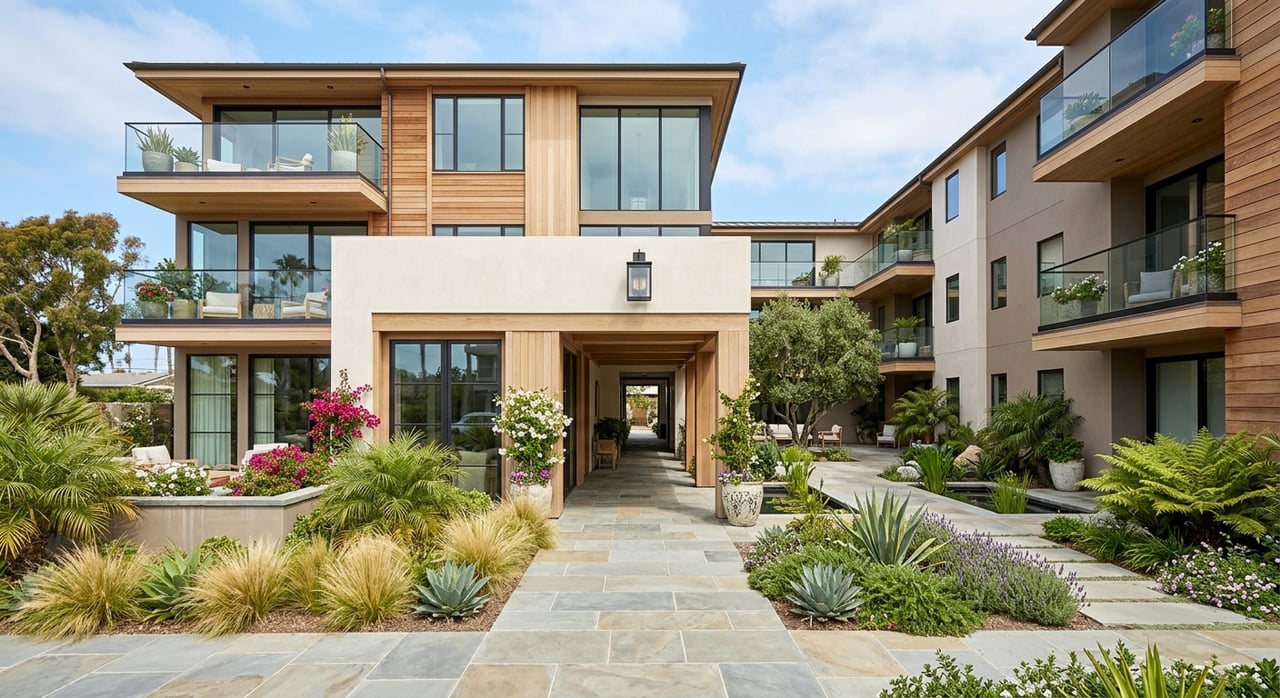
Wondering why Coconut Grove can feel so different from one block to the next? That is part of what makes this Miami neighborhood so compelling. If you are buying, selling, or simply narrowing your options, it helps to understand how the Grove’s housing styles shape day-to-day living. Let’s dive in.
Why Coconut Grove Feels Distinct
Coconut Grove is recognized by the City of Miami as the city’s original neighborhood, founded in 1873. That long history still shows up in the streetscape, architecture, and overall rhythm of daily life.
Much of the neighborhood is shaped by Neighborhood Conservation Districts 2 and 3. According to the city, those overlays are designed to conserve Coconut Grove’s historic legacy and unique qualities, while also guiding issues like lot coverage, density, tree preservation, and property rights.
That planning framework matters because it helps explain why the Grove often feels more layered and more contextual than many other Miami neighborhoods. Residents also value its architectural variety, cultural diversity, natural aesthetic, walkable character, and access to the water.
Historic Homes and Character Living
Bungalows and Conch Cottages
Some of Coconut Grove’s most recognizable homes are its historic bungalows and Bahamian, or Conch, houses. In the Charles Avenue area, the City of Miami identifies Conch houses as typically one-and-one-half or two stories with broad gabled or low-hipped roofs, raised floors, and prominent front porches.
The city also describes South Florida bungalows as generally one- or one-and-one-half-story wood-frame homes with porch railings and distinct roof forms. These details give the homes a clear sense of identity that many buyers find hard to replicate in newer construction.
If you are drawn to architectural character, these homes often support a more relaxed and residential routine. Porch living, mature tree cover, and a quieter neighborhood feel tend to be part of the appeal.
What This Lifestyle Tends to Fit
Historic homes in the Grove often appeal to buyers who care about charm as much as square footage. If you picture yourself enjoying outdoor space, walking shaded streets, and living in a setting with a strong sense of place, this style may feel like a natural fit.
For sellers, the key value is often the home’s uniqueness. Character, location within the Grove, and how well the property reflects the neighborhood’s historic fabric can all shape buyer interest.
Modern Homes With a Grove Context
Newer Single-Family Construction
Coconut Grove is not frozen in time. The city’s Neighborhood Conservation District research references 281 building permits for residential construction in Coconut Grove since 2012, and zoning across much of the area includes single-family residential districts.
That helps explain why newer detached homes remain part of the neighborhood mix. In Coconut Grove, however, new homes are typically best understood through the lens of local design expectations rather than as generic suburban new builds.
The city’s Village West Island and Charles Avenue design guidance says new buildings should reflect native building traditions and the neighborhood’s rich legacy. It also allows porch flexibility when tree canopy is protected, which reinforces the importance of context and landscape.
What Buyers Often Want Here
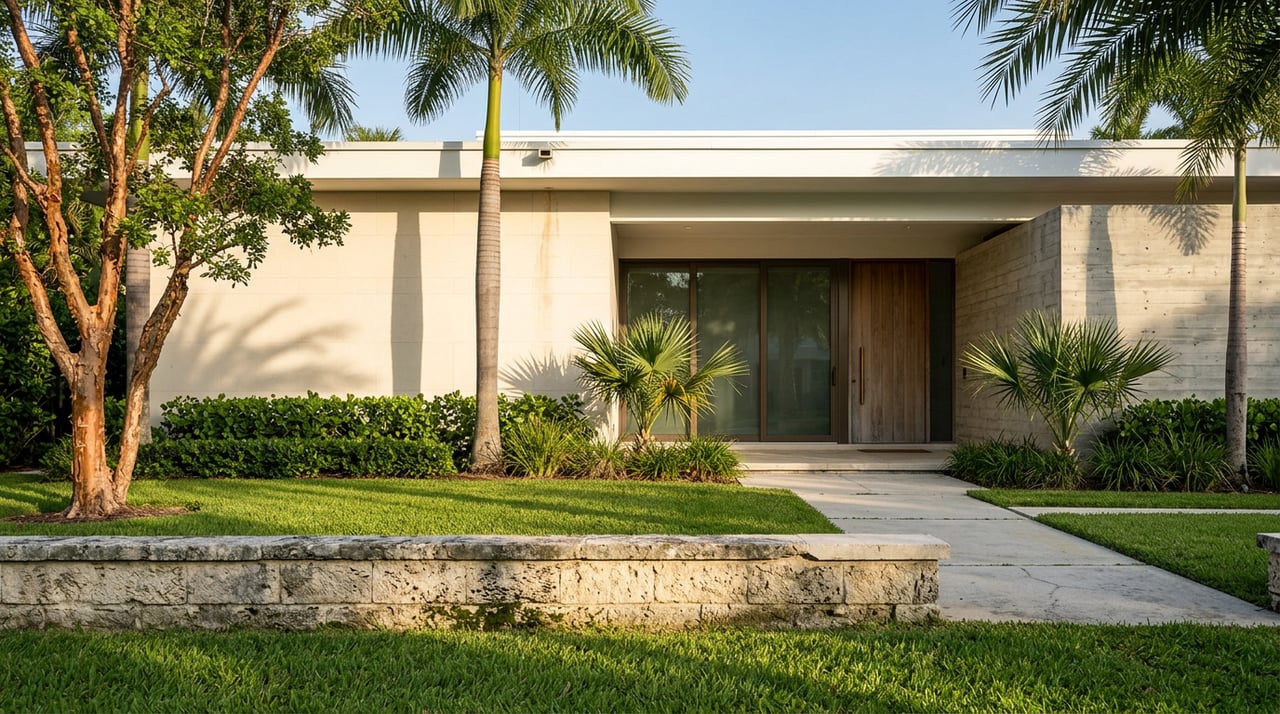
If you want updated systems, more privacy, garage space, and strong indoor-outdoor flow, modern single-family homes can be a strong match. In the Grove, these homes often compete on livability, yard space, and a clean, contemporary feel while still fitting within the neighborhood’s broader design language.
This can be especially appealing if you want a newer home without giving up Coconut Grove’s established identity. You get modern function, but still within a neighborhood known for walkability, greenery, and architectural variety.
Townhomes and Low-Rise Condos for Convenience
A Lower-Scale Attached Option
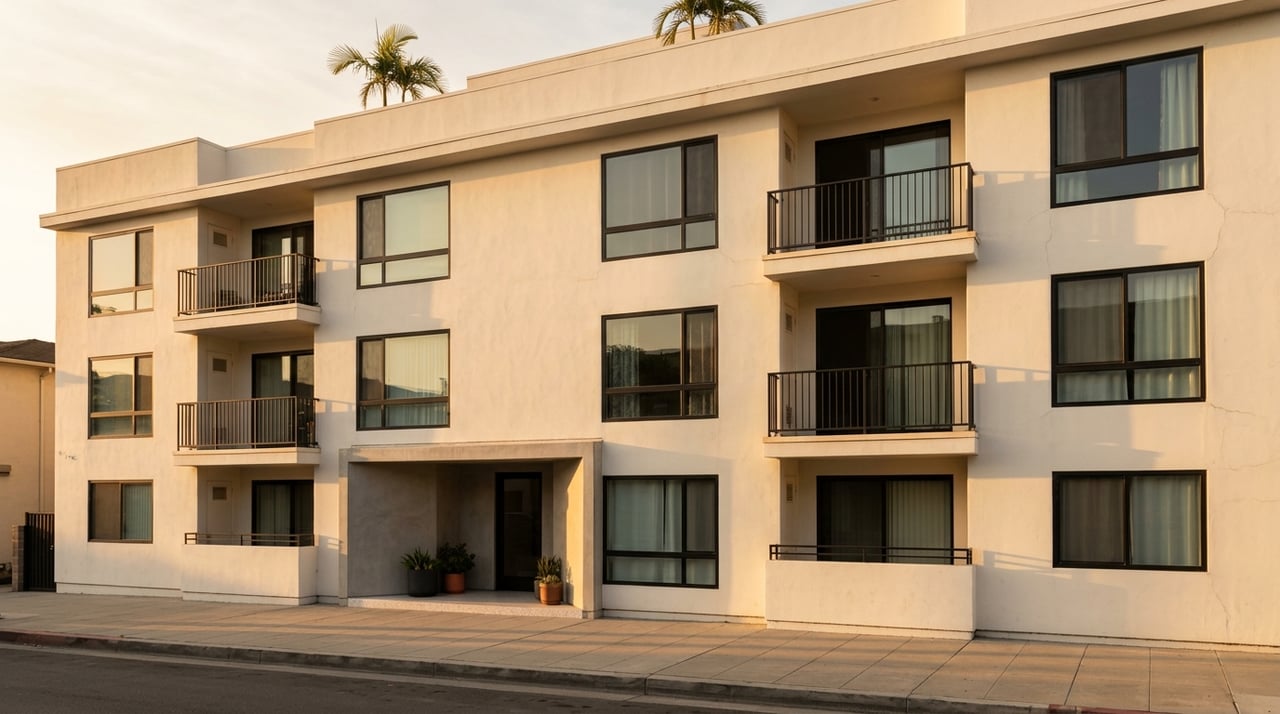
Attached housing is also part of the Coconut Grove story. Based on the city’s HOA directory and the neighborhood’s transit framework, the condo and townhome inventory is better understood as lower-scale and convenience-oriented rather than tower-heavy.
That distinction matters if you are comparing the Grove with denser parts of Miami. Here, attached living often connects more directly to the village center, transit access, and everyday ease.
The City of Miami says the Coconut Grove Trolley Route serves the historic neighborhood and provides access to parks, shopping areas, and City Hall. Miami-Dade County also identifies Coconut Grove Station as part of the Grove Central transit-oriented mixed-use project.
The Lifestyle Match
Townhomes and low-rise condos often suit buyers who want a lock-and-leave home base with less exterior upkeep. They can also be a practical fit if you want to stay close to restaurants, errands, transit, and the village core.
For some buyers and renters, this style offers a simpler routine. You may trade some yard space for convenience, easier maintenance, and a location that keeps you connected to the neighborhood’s activity.
Waterfront Living and Marina Access
A Bay-Oriented Lifestyle
Coconut Grove has one of the strongest waterfront identities in Miami. Dinner Key Marina offers transient, seasonal, long-term, and liveaboard slips, and the city notes that the village retail and entertainment district is a short walk away.
Peacock Park adds to that setting as a 9.4-acre waterfront urban park on Biscayne Bay with direct access to the Intracoastal Waterway. The Barnacle Historic State Park further reinforces the neighborhood’s outdoor identity with its historic bayfront setting, tree-lined paths, and simple connection to the water.
If your ideal routine includes boating, paddle boarding, marina access, or time spent outdoors near the bay, this part of the Grove may stand out immediately. Here, the water is not just scenery. It can be part of your daily lifestyle.
Who This Housing Style Often Appeals To
Waterfront and marina-oriented homes tend to appeal to buyers who prioritize access to Biscayne Bay and outdoor recreation. In practical terms, that means your home search may revolve around proximity to the marina, waterfront parks, and bay access rather than just retail convenience.
For sellers, that lifestyle story can be important. A property’s relationship to the water, outdoor amenities, and marina access may shape how buyers see its value and fit.
The Grove’s Creative and Social Energy
Housing styles are only part of the picture. Coconut Grove also has a strong arts identity. The official Coconut Grove Arts Festival organization says the neighborhood has long been considered Miami’s original art district.
That helps explain why the Grove is often described as creative, social, and community-oriented as much as residential. Whether you are looking at a cottage, condo, or modern house, the broader neighborhood experience often includes walkability, local gathering places, and a strong sense of culture.
What Buyers Should Watch Closely
In Coconut Grove, the biggest decision points are not always just price and size. The city’s planning discussions show that compatibility with neighborhood scale can be a major factor, especially when you are looking at redevelopment potential, lot changes, or newer construction.
The Neighborhood Conservation District framework has focused on issues such as lot coverage, density, tree preservation, and housing affordability. If you are buying with plans to renovate, expand, or rebuild, these factors can matter more here than they do in many other areas.
Historic-property work may also involve an additional review process. The City of Miami says work on historic properties requires a Certificate of Appropriateness, which is especially relevant for designated older homes in and around the Grove.
What Sellers Should Keep in Mind
If you are selling in Coconut Grove, your home’s style is not just a design detail. It is part of the property’s market story. Buyers often shop the Grove by lifestyle as much as by layout, so clear positioning matters.
A bungalow or Conch cottage may attract buyers looking for character and a leafy, established setting. A modern single-family home may speak to buyers who want updated living and privacy. A townhome or condo may appeal most to those prioritizing convenience and lower maintenance, while waterfront homes may stand out for boating and bay access.
That is where thoughtful presentation becomes important. Strong photography, a clear neighborhood narrative, and accurate positioning around lifestyle and housing type can help your listing connect with the right audience.
How to Think About Your Best Fit
Coconut Grove works best when your home and your routine line up. The neighborhood offers a rare mix of historic homes, contextual modern construction, convenience-oriented attached housing, and waterfront living.
A simple way to narrow your options is to ask yourself what you want your daily life to feel like. Do you want charm and porch space, newer systems and privacy, easier maintenance near the village, or a stronger connection to the bay?
Once you answer that, the housing search becomes much clearer. In Coconut Grove, lifestyle is not a marketing phrase. It is a practical way to choose the right property and make a smarter real estate decision.
If you are buying, selling, leasing, or investing in Miami-Dade and want clear guidance tailored to the neighborhood, connect with Terry Segall.
FAQs
What types of homes are common in Coconut Grove?
- Coconut Grove includes historic bungalows and Conch cottages, modern single-family homes, townhomes, low-rise condos, and waterfront or marina-oriented homes.
What makes historic Coconut Grove homes distinctive?
- The City of Miami identifies many historic homes by features such as raised floors, prominent front porches, wood-frame construction, and broad gabled or low-hipped roofs.
What lifestyle do Coconut Grove condos and townhomes support?
- Townhomes and low-rise condos tend to fit buyers or renters who want lower maintenance, easier access to the village center, and proximity to transit, shopping, dining, and parks.
What should buyers know about renovating in Coconut Grove?
- Buyers should pay close attention to local planning rules tied to neighborhood scale, lot coverage, density, tree preservation, and, for designated historic properties, possible Certificate of Appropriateness requirements.
Is Coconut Grove a good fit for waterfront living?
- Coconut Grove has a strong bay-oriented identity, with amenities such as Dinner Key Marina, Peacock Park, and waterfront access that support boating and outdoor recreation.