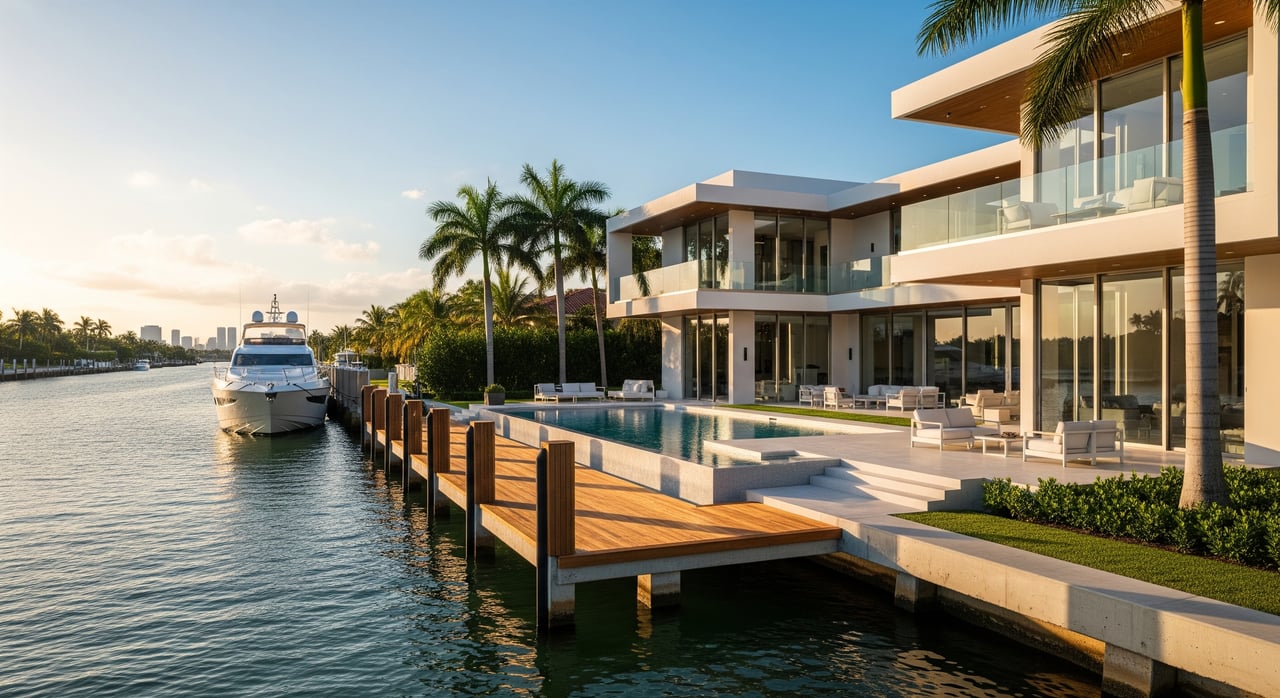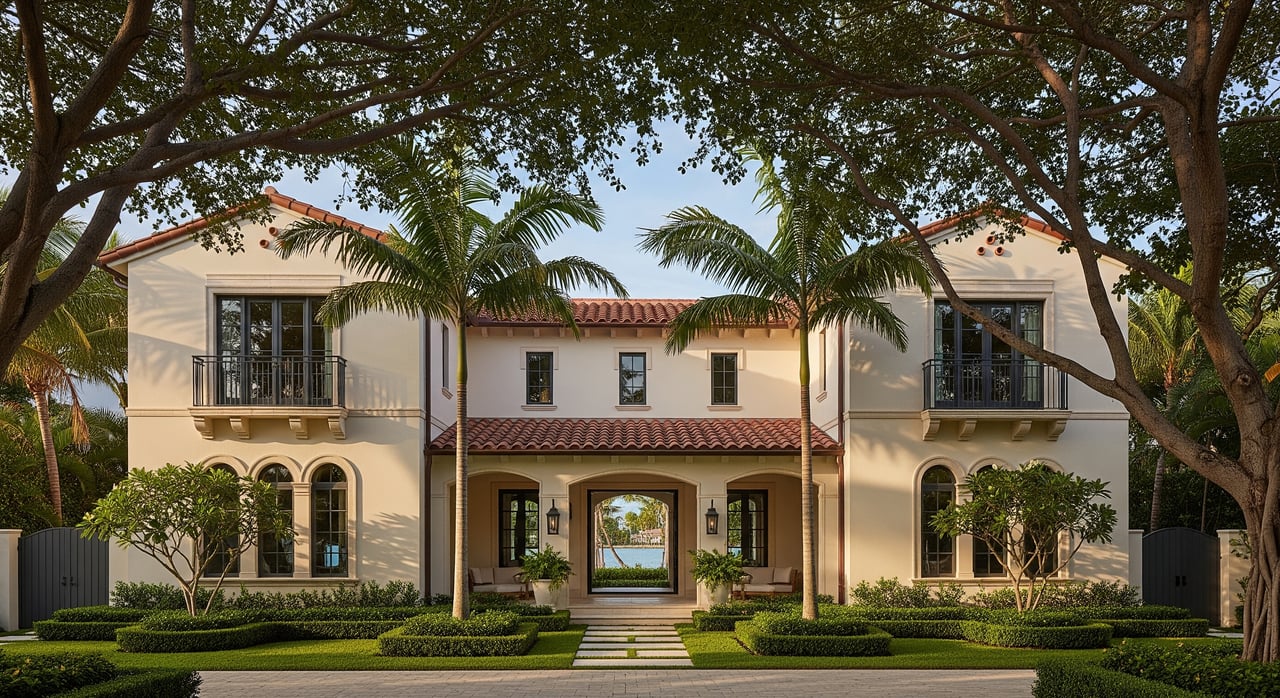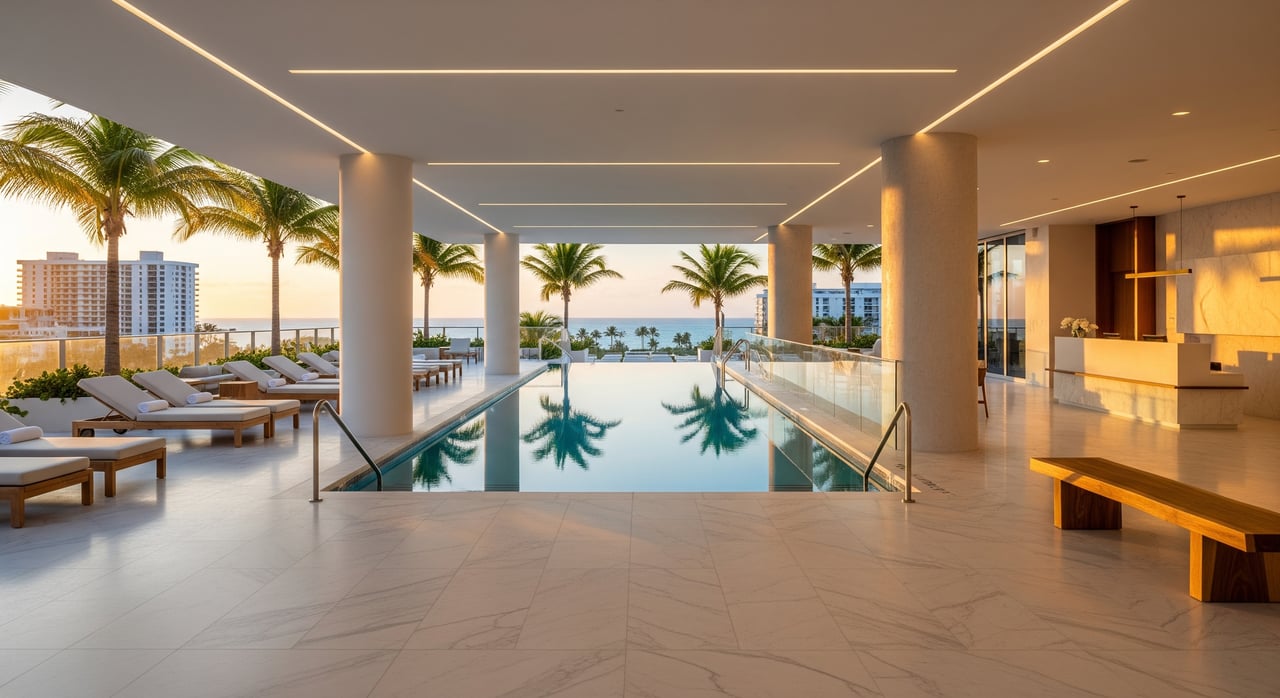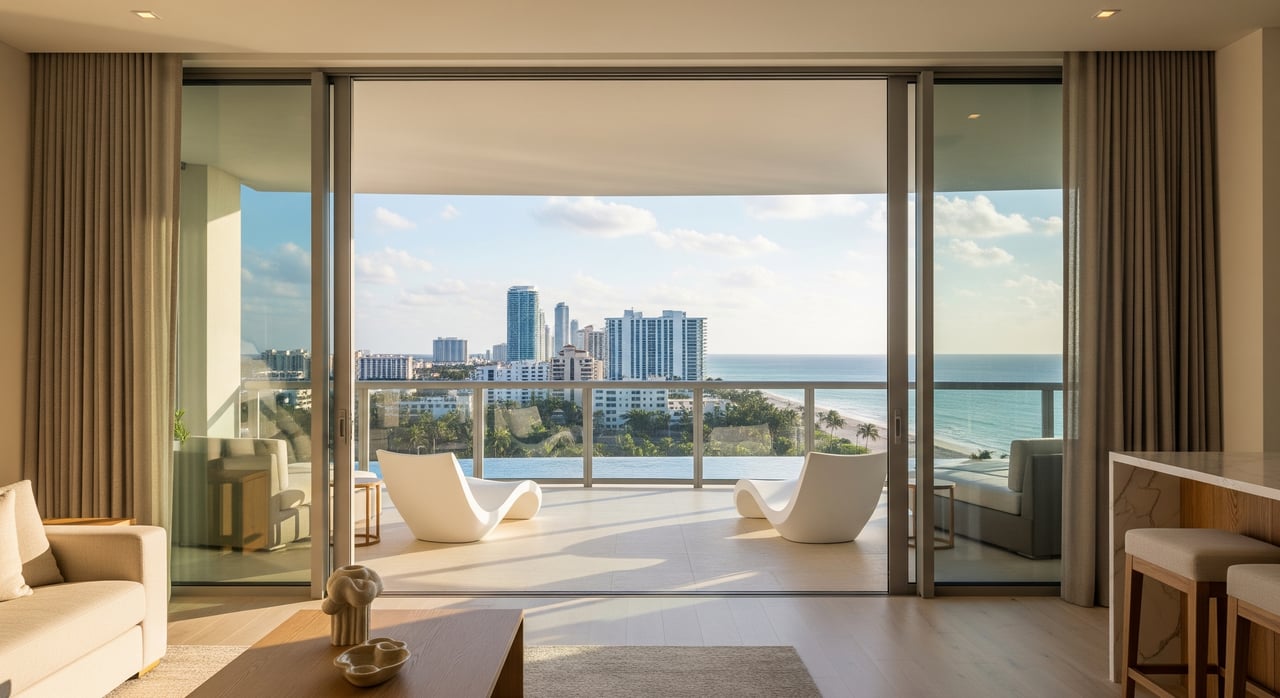
Buying a condo in Sunny Isles Beach feels exciting, but it is not the same as buying a typical house. You are dealing with a coastal high‑rise market, association approvals, flood considerations and lender project reviews that can add steps and time. If you are a first‑time Miami condo buyer or an out‑of‑area investor, you want a clear path from offer to keys with no surprises. This guide shows you exactly how it works, what to request, and how to keep your closing on track. Let’s dive in.
Sunny Isles basics that shape your deal
Sunny Isles Beach is a barrier‑island city lined with high‑rise condos, from mid‑century towers to new luxury developments. Many units serve as second homes or investments, so non‑resident and foreign buyers are common. The city’s zoning and high‑rise density are well documented on the Sunny Isles Beach official site.
Most buildings sit in FEMA flood zones or at elevated coastal risk, which affects insurance and lending. Before you get too far, pull the property’s flood zone and look for an elevation certificate using the FEMA Flood Map Service Center.
After the 2021 Surfside collapse, Miami‑Dade increased focus on building safety and recertification for multi‑story properties. Expect associations to handle structural inspections, garage assessments and corrective plans on a schedule set by local rules. You can review county guidance on Miami‑Dade County structural safety resources and confirm how a building is addressing recertification.
Finally, Florida condominium associations operate under the Florida Condominium Act, Chapter 718. Knowing these rules helps you read budgets, reserves and disclosures with confidence.
Step‑by‑step buying timeline
1) Pre‑approval and search (1–14 days)
Get a true mortgage pre‑approval, not just a pre‑qualification. If you are a foreign or non‑resident buyer, expect requests for items like bank statements, tax returns, proof of funds and an ITIN. Ask your lender early about condo project reviews and whether your loan requires project eligibility under FHA, Fannie Mae or Freddie Mac.
2) Offer, contract and deposit (1–7 days)
Once you sign the purchase agreement, your deposit shows commitment and triggers deadlines. Make sure the contract sets clear timelines for financing and inspections. Include a condition requiring the seller to provide all condominium documents and an estoppel certificate within a defined window.
3) Request condo documents (1–3 weeks)
Start document requests immediately. You want the current budget, financials, reserve study, rules and regulations, bylaws and declaration, insurance certificate, meeting minutes and any litigation disclosures. Ask for rental policies and leasing rules if you plan to rent the unit. These items reveal association health, assessments and any major repairs on the horizon.
4) Association application and approval (2–8 weeks)
Many Sunny Isles associations require a buyer application, background or credit checks, and sometimes a board interview. Turn times can run 30–60 days in larger or luxury buildings. The estoppel certificate, prepared by the association or its attorney, lists unpaid dues, fines and special assessments, and it must be current before closing. Some buildings also have a right of first refusal that adds a review window.
5) Lender underwriting and project review (2–6 weeks)
Your lender orders the appraisal and reviews the condo project itself. They look at reserves in the budget, owner‑occupancy levels, insurance, litigation and special assessments, plus the building’s age and inspection status. For FHA buyers, verify building eligibility with HUD FHA condo approval guidance. For conventional loans, lenders follow agency guidelines such as Fannie Mae project standards and Freddie Mac criteria.
6) Inspections, title and insurance (1–3 weeks)
Order a condo unit inspection to check systems, appliances and visible issues. Ask for any available structural or recertification reports and active repair contracts at the building level. Shop for an HO‑6 policy and confirm whether your lender requires flood coverage, which is common along the coast. Your title company will run the search and coordinate closing.
7) Final walk‑through and closing (usually 30–60 days)
On closing day, you sign with the title company and wire funds. Confirm the estoppel is current and that association dues and special assessments are up to date. After funding, collect keys and building access items, and make sure the association has your contact details for billing.
What to review in association documents
Reserves and reserve study
Look for healthy reserve balances and a recent reserve study. A red flag is low reserves combined with large unfunded projects like roof work, facade repairs or waterproofing.
Structural reports and repairs
Request the most recent structural or recertification reports and any engineering scopes. If a building is in active remediation, you may see multi‑year special assessments tied to the work.
Insurance coverage and deductibles
Review the master policy and deductible schedule, especially windstorm and flood deductibles. High deductibles can translate into special assessments after a claim.
Litigation status
Pending lawsuits, such as contractor disputes or insurance claims, can reduce financing options and marketability. Note the type of case and potential financial impact on owners.
Rental and short‑term rules
Confirm minimum lease terms, application requirements for tenants and any caps on rentals. Check city rules with the Sunny Isles Beach official site and match them to the association’s policies.
Occupancy and delinquencies
Lenders pay attention to owner‑occupancy rates and dues delinquencies. High investor concentrations or elevated delinquencies can trigger tougher underwriting.
Developer control and transition
If the building is new or still under developer control, review transition documents and any temporary leasing or assignment restrictions.
Estoppel accuracy and timing
Your estoppel should list all amounts owed and special assessments due. Discrepancies or delays in issuing the estoppel are common causes of closing extensions.
Financing and project approval basics
Lenders perform project reviews that check the budget, reserves, master insurance, owner‑occupancy, single‑entity ownership and litigation. If an association faces large repairs or has low reserves, lenders may ask for a bigger down payment or decline financing. FHA and VA buyers should confirm building approval in advance through HUD FHA condo approval guidance. Conventional loans follow agency rules such as Fannie Mae project standards and Freddie Mac requirements.
If you are a non‑resident or foreign buyer, expect higher down payments and additional documentation. Cash purchases avoid lender project reviews and appraisals, but you still need to complete the association application and obtain a clean estoppel.
Avoid common Sunny Isles delays
- Order the estoppel immediately after contract acceptance and confirm the management company’s fee and turnaround.
- Submit a complete association application early, including any notarized or translated documents if you are international.
- Ask your lender on day one whether the building is already approved and what project review they will require.
- Request reserve studies, engineering reports and board minutes during your first contingency window.
- Pull the property’s flood zone and request an elevation certificate early to confirm insurance costs.
- Start the title search promptly and verify the seller is current on dues and assessments.
Your buyer document checklist
Request these items as soon as your contract is ratified:
- Estoppel certificate (current)
- Current budget, recent financial statements and the reserve study
- Bylaws, declaration and rules and regulations
- Meeting minutes for the past 12 months, plus recent special meeting minutes
- Certificate of insurance and deductible schedules
- Structural, recertification or engineering reports and any repair bids or contracts
- Rental policy, including minimum lease terms and tenant approval steps
- List of current litigation and status updates
- Parking and storage assignments or deeds and related assessments
- Developer transition documents if applicable, plus payoff info for any special assessments
Practical tips:
- Work with a local real estate attorney who handles Florida condo closings.
- Use a lender experienced with Miami‑Dade condo project reviews.
- Whenever possible, request full engineering reports and full reserve studies rather than summaries.
- For investors, confirm both association leasing rules and current city ordinances through the Sunny Isles Beach official site.
Know the rules you are buying into
Associations must follow the Florida Condominium Act, Chapter 718, which covers budgets, reserve requirements, meetings and disclosures. Miami‑Dade also enforces building safety and recertification standards for multi‑story buildings, detailed on Miami‑Dade County structural safety resources. These frameworks shape how associations manage repairs, assessments and documentation that lenders and buyers rely on.
Local help when you need it
A smooth Sunny Isles condo purchase comes down to fast document gathering, clear lender coordination and early checks on building health and flood risk. With decades in Miami‑Dade’s coastal condo market, Terry Segall can coordinate your search, organize association documents, align the right lenders and keep your timeline moving from offer to closing. Ready to buy with confidence? Let’s connect with Terry Segall.
FAQs
How long does a Sunny Isles condo closing take?
- Most closings run 30–60 days, but association approvals or estoppel delays can extend the process by 1–3 weeks. Plan for 45–90 days in complex buildings.
Can I rent out my Sunny Isles condo immediately?
- It depends on the association’s rental policy and any developer restrictions. Some buildings require a minimum owner‑occupancy period or minimum lease terms, so confirm early.
Do lenders care about older Sunny Isles buildings?
- Yes. Older buildings with deferred maintenance or recertification issues can trigger tougher underwriting, higher down payments or loan denials.
Are short‑term rentals allowed in Sunny Isles Beach?
- City rules can change and many associations set minimum lease terms. Verify current ordinances with the city and match them to the building’s rules before you buy.
What are the biggest surprises for first‑time buyers?
- The most common are hidden special assessments, longer association application timelines for non‑residents and higher-than-expected flood or wind insurance costs tied to coastal risk.