If you are wondering whether Coconut Grove still feels like Coconut Grove, the short answer is yes. Even with new development near transit and a busy village core, the neighborhood still stands out for its tree canopy, low-rise streets, bayfront lifestyle, and layered housing character. If you are thinking about buying, selling, leasing, or simply narrowing your Miami-Dade search, this guide will help you understand what living in Coconut Grove feels like right now. Let’s dive in.
Coconut Grove’s vibe today
Coconut Grove still reads as Miami’s bay-side village. City planning rules in the neighborhood are designed to protect green space, tree canopy, bay views, and architectural variety, while keeping parts of the area pedestrian-oriented. That matters because it helps explain why the Grove feels softer, greener, and less vertical than many other parts of Miami.
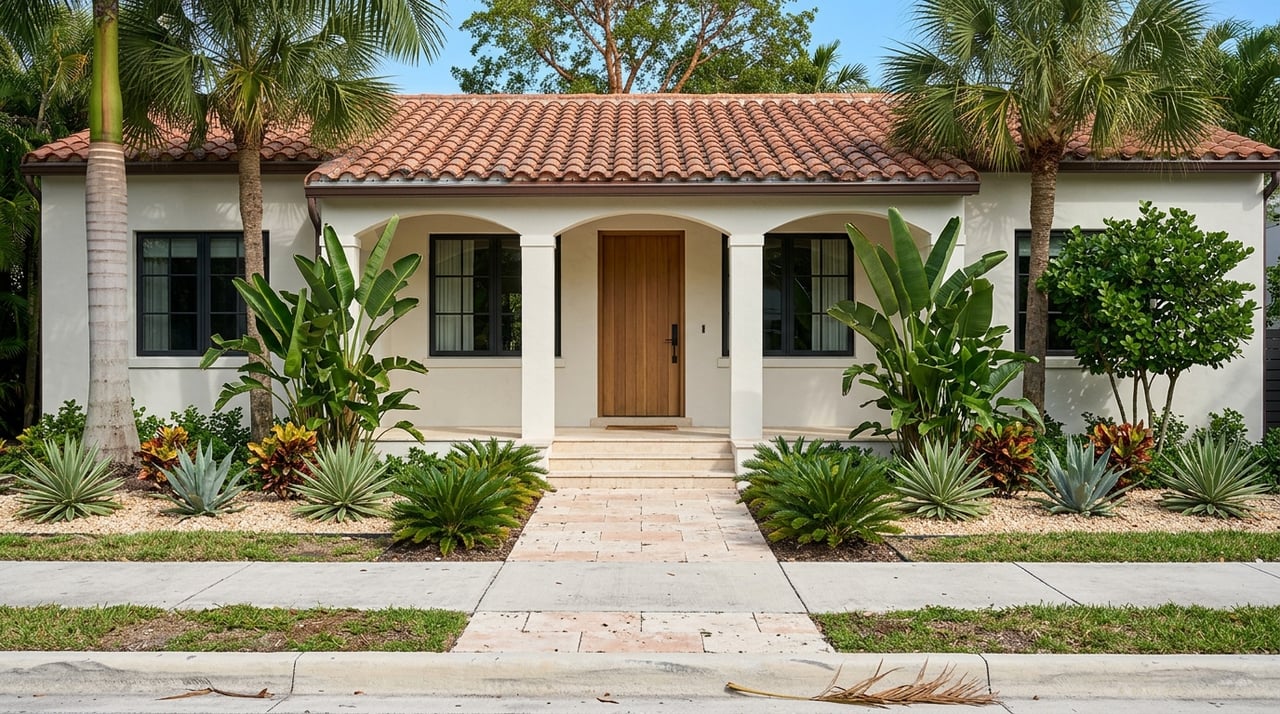
You notice that character in the housing stock and in the streetscape. Historic fabric in the neighborhood includes Bahamian and conch houses in the Charles Avenue area, plus bungalows and frame-vernacular homes. In practical terms, that gives the Grove a more layered and established feel than areas built mostly in one recent development cycle.
Daily life centers on the village core
For many residents, the everyday center of Coconut Grove is the Grand Avenue, McFarlane Road, and CocoWalk area. This is where shopping, dining, and entertainment are concentrated, which makes errands and casual plans feel relatively easy to manage without crossing all over Miami. The area feels active, but still neighborhood-scaled.
CocoWalk remains one of the best-known anchors in the heart of the Grove. The surrounding streets bring together a concentrated dining mix that includes casual and upscale options, with cuisines ranging from steakhouse and modern American to Japanese and plant-based concepts. If you value having a reliable go-to area for lunch, dinner, coffee, and meeting friends, this part of Coconut Grove does a lot of the heavy lifting.
Waterfront living shapes the experience
One of the biggest reasons people are drawn to Coconut Grove is its connection to the water. This is not just a neighborhood near the bay. It is a place where boating and waterfront recreation are part of the identity.
Dinner Key Marina is a major part of that story. It offers 587 slips, more than 250 moorings, and a mix of liveaboard, seasonal, transient, and long-term dockage. It is also a short walk from the village core, which creates a rare combination of marina access and walkable daily convenience.
That boating culture extends beyond the marina itself. The neighborhood is also home to established sailing institutions on Biscayne Bay, which reinforces the Grove’s strong water-oriented lifestyle. If you want a Miami neighborhood where the bay feels woven into everyday life, Coconut Grove delivers that in a way few places do.
Parks are a major lifestyle advantage
Coconut Grove’s parks add a lot to daily living. They give you places to walk, bike, exercise, spend time outside, and enjoy bay views without needing a full-day plan. For many buyers, that kind of access shapes quality of life as much as the home itself.
Peacock Park is a 9.4-acre waterfront urban park with direct access to the Intracoastal Waterway, and a kayak launch is planned there. David T. Kennedy Park adds waterfront access, bike paths, a dog park, a playground, picnic tables, and outdoor gym equipment. These are the kinds of amenities that support an active routine close to home.
The Grove also offers a more historic and natural side. The Barnacle Historic State Park, built in 1891, is the oldest house in Miami-Dade County still standing in its original location. Alice Wainwright Park adds 28 acres of waterfront park and nature preserve landscape with Biscayne Bay views and tropical hammock scenery.
Transit matters more than many buyers expect
Coconut Grove has long been known for its village feel, but transit is becoming a bigger part of the conversation. Miami-Dade reopened the Coconut Grove Metrorail Station in May 2025 after major modernization. That update makes the station area more relevant for commuters and residents who want options beyond driving.
The nearby Grove Central project also signals where some of the neighborhood’s growth is taking shape. The county describes it as a transit-oriented community with 402 residential units, 172,000 square feet of retail, five levels of parking, and 60 workforce-housing units. So while the Grove still feels rooted in its historic identity, the station area is becoming more mixed-use and connected.
The city’s Coconut Grove trolley also helps tie key parts of the neighborhood together. It connects parks, shopping areas, City Hall, the Metrorail station, Douglas Road, and Grove Central. For day-to-day convenience, that extra layer of local mobility adds more flexibility than some buyers expect.
Housing feels both historic and current
One reason Coconut Grove remains so distinctive is that it is not a one-note housing market. Preservation and neighborhood character rules help maintain the heavily landscaped, low-rise feel in many residential areas. That gives the neighborhood a strong sense of place.
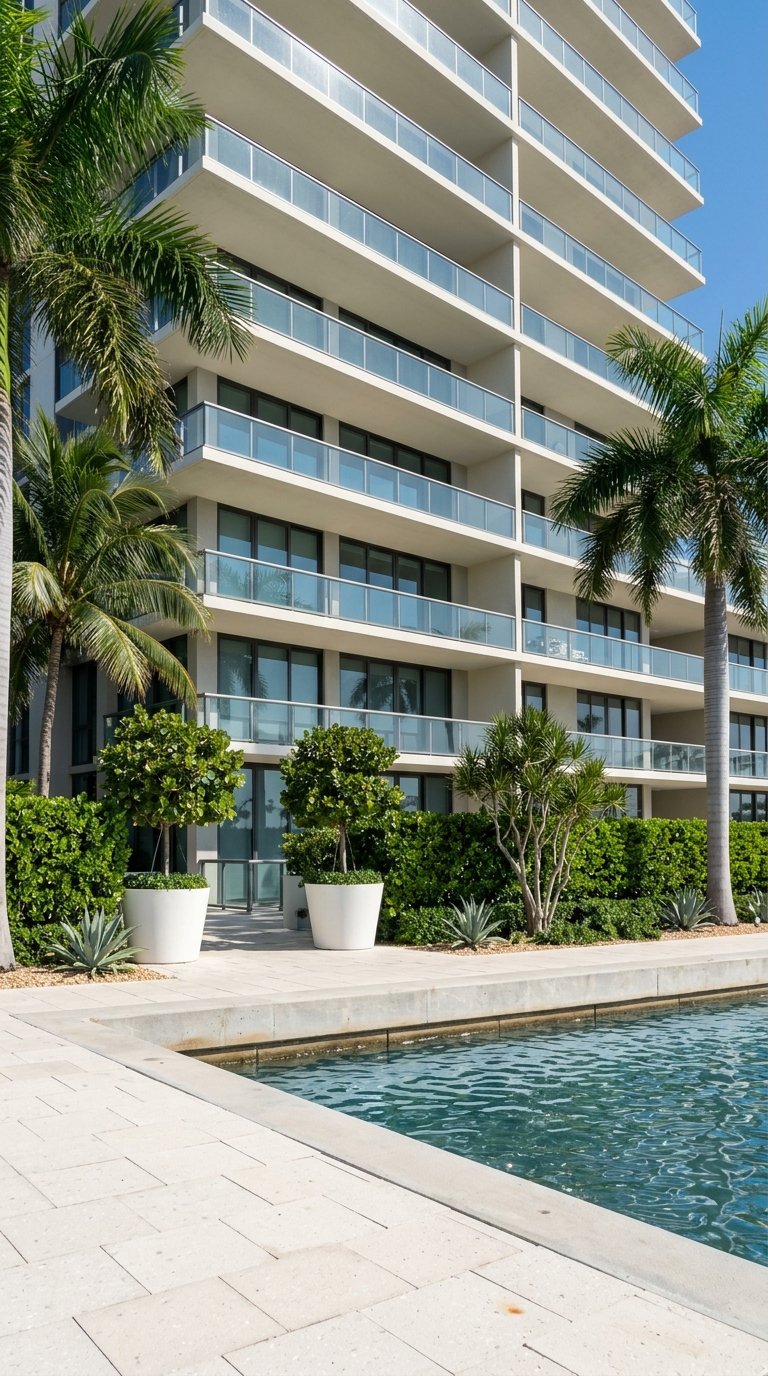
At the same time, Coconut Grove is not frozen in the past. Recent additions show a mix of boutique low-rise residences and newer mixed-use development near transit. That means you can see older homes, updated single-family properties, and newer residential product all within the broader Grove story.
This split is important if you are shopping by lifestyle, not just by square footage. Some buyers are drawn to the mature trees, older homes, and more established streets. Others want newer construction with more lock-and-leave convenience. Coconut Grove offers both, which widens its appeal.
Who Coconut Grove tends to attract
Using ZIP code 33133 as a proxy, the area has 36,789 residents, a median age of 39.6, and a median household income of $103,420. The median owner-occupied home value is $1,022,400, 64.2% of residents hold a bachelor’s degree or higher, and the average household size is 2.4 people. While ZIP code data is not a perfect neighborhood boundary, it gives a useful snapshot of the area.
In broad terms, Coconut Grove tends to appeal to professionals, established households, and higher-end buyers who want character along with convenience. It can also attract people who want a more rooted, less high-rise-centered experience than parts of urban Miami. If that balance matters to you, the Grove often ends up on the short list.
How the Grove compares nearby
Coconut Grove vs. Brickell
If you compare Coconut Grove with Brickell, the biggest difference is density and pace. Brickell is more transit-first, more vertical, and more tied to the financial district and the broader downtown system. Coconut Grove, by contrast, is shaped by lower-density planning, more tree canopy, and a stronger single-family presence.
That means daily life in the Grove often feels quieter and greener. You may still have walkable pockets and transit access, but the overall environment is less urban in form. For buyers choosing between the two, the decision often comes down to whether you want a dense city setting or a bay-oriented neighborhood with more breathing room.
Coconut Grove vs. Coral Gables
Compared with Coral Gables, Coconut Grove usually feels less formal and less planned. Coral Gables is known for a more polished civic identity and a more structured urban framework. Coconut Grove feels more organic, village-scaled, and tied to the waterfront.
That difference can matter a lot in your home search. If you want something that feels orderly and civic-minded, Coral Gables may appeal more. If you want a neighborhood that feels historic, lush, and slightly more relaxed in rhythm, Coconut Grove often stands apart.
What living here feels like right now
Right now, Coconut Grove offers a mix that is hard to replicate in Miami-Dade. You get a walkable village core, a real connection to the bay, major parks, historic housing texture, and growing transit utility. The neighborhood still feels established, but it is not standing still.
For buyers, that means Coconut Grove can work for several lifestyle goals at once. It can suit someone who wants marina access and waterfront recreation, someone who values parks and walkability, or someone looking for a neighborhood with more character than a newer high-rise district. For sellers, that same mix helps explain why the Grove continues to hold strong appeal with buyers seeking a distinct Miami lifestyle.
If you are weighing Coconut Grove against other Miami-Dade neighborhoods, the most useful question is simple: do you want your daily life to feel more village-like, more waterfront-driven, and more rooted in neighborhood character? If the answer is yes, Coconut Grove is still one of the clearest answers in the market.
If you are considering a move, sale, or investment in Coconut Grove or another Miami-Dade neighborhood, Terry Segall can help you evaluate the right fit with clear, local guidance and a practical strategy.
FAQs
What is daily life like in Coconut Grove right now?
- Daily life in Coconut Grove centers on a walkable village core near Grand Avenue, McFarlane Road, and CocoWalk, with easy access to dining, shopping, parks, and the waterfront.
Is Coconut Grove still a low-rise neighborhood?
- In many parts, yes. Local planning rules are designed to preserve tree canopy, green space, bay views, architectural variety, and a lower-rise residential character, even as some newer development appears near transit.
Does Coconut Grove have good waterfront access?
- Yes. The neighborhood has a strong bay-oriented identity, with Dinner Key Marina, sailing institutions on Biscayne Bay, and several waterfront parks that support boating and outdoor recreation.
Are there parks in Coconut Grove for everyday use?
- Yes. Peacock Park, David T. Kennedy Park, The Barnacle Historic State Park, and Alice Wainwright Park give residents access to open space, waterfront views, walking areas, and outdoor amenities.
Is Coconut Grove convenient for transit and commuting?
- It can be. The Coconut Grove Metrorail Station reopened in 2025 after modernization, Grove Central adds a transit-oriented mixed-use hub nearby, and the Coconut Grove trolley connects key destinations in the area.
How does Coconut Grove compare with Brickell and Coral Gables?
- Coconut Grove generally feels greener, quieter, and less vertical than Brickell, and less formal and more organically evolved than Coral Gables.